

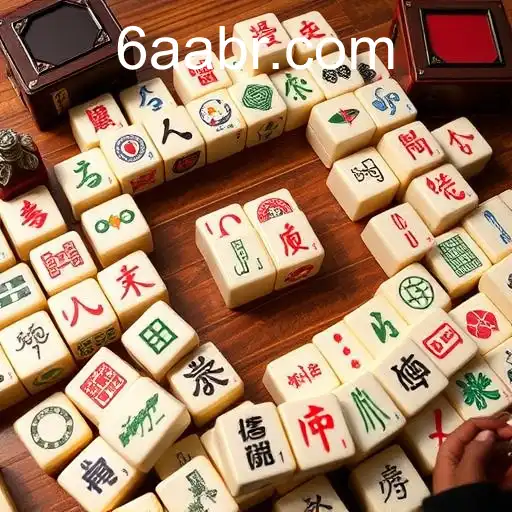
Exploring the Rich Heritage of Mahjong
The Origins and History of Mahjong
Mahjong is more than just a game; it is a cultural artifact with a rich heritage that has captivated players for centuries. Originating in China during the Qing Dynasty, the game has evolved and spread across the globe, acquiring various adaptations and variations along the way. Understanding its origins provides insights into its enduring popularity and cultural significance.
Legend suggests that Confucius, the famous Chinese philosopher, invented Mahjong around 500 BC. However, documented evidence points to it being developed in the mid-to-late 1800s. Initially, Mahjong was an exclusive pastime for the elite and became a popular social activity during the late 19th century. The game reflects elements of Chinese philosophy, particularly Confucianism, Taoism, and Buddhism, evident in its symbolism and gameplay.
The Basics of Mahjong
Mahjong is typically played by four players and involves a set of 144 tiles based on Chinese characters and symbols. The main objective is to build a complete hand by drawing and discarding tiles, similar to the concept of poker hands. A standard Mahjong set contains three suits - Bamboo, Characters, and Dots - along with additional Honor and Bonus tiles.
The game's setup begins with each player being dealt thirteen tiles, and during their turn, players draw a tile and discard one until they can form a complete hand that matches a winning pattern. Mahjong involves strategy, skill, and a bit of luck, creating a dynamic experience that players find both challenging and rewarding.cafe.bet
Identifying the Unique Elements of Mahjong
Mahjong is characterized by its intricate tile designs, which are steeped in symbolism. For instance, the Circle tiles are said to represent the forces of harmony, while the Bamboo tiles are linked to growth and strength. The Character tiles often depict traditional Chinese symbols and motifs that carry deep meanings, transcending the gameplay itself.9866win.com
The Honor tiles, consisting of Winds and Dragons, add another layer of complexity. These tiles are associated with elements of Chinese cosmology. The Winds signify the cardinal directions and are reflective of the Daoist belief in balance and harmony. The Red, Green, and White Dragons symbolize aspects of power, prosperity, and purity, respectively.722luck
Mahjong's Global Influence and Adaptations
Mahjong found its way beyond Chinese borders in the early 20th century, largely due to economic migration and trade. As it spread, various cultures adopted and modified the game, leading to the development of numerous versions such as Japanese Riichi Mahjong and American Mahjong, each with its unique rules and style.
For example, in Japan, Mahjong is presented with an emphasis on strategic hand-building and luck mitigation. The game includes unique scoring systems and tiles that make it distinct from the traditional Chinese version. Similarly, American Mahjong incorporates the use of Jokers and has adapted specific card decks to dictate winning hands. These adaptations reflect the global appeal and versatility of Mahjong, proving its ability to integrate into diverse cultural contexts.
The Cultural Significance of Mahjong in Modern Times
Beyond being a recreational activity, Mahjong plays a significant role in social interactions, particularly among older generations in East Asia. It serves as a social platform, bringing family and friends together, fostering communication and connection. In a rapidly modernizing world, Mahjong holds onto traditional cultural values, preserving a slice of heritage that continues to be relevant.
Mahjong parlors and online platforms have emerged in modern times, adapting the game for contemporary audiences while maintaining its historical essence. Online Mahjong has made the game accessible to a global audience, encouraging cross-cultural engagement and participation in this age-old tradition.
Mahjong in Popular Culture and Media
With its deep historical roots and rich symbolism, Mahjong has made its way into various forms of popular culture, including films, literature, and even fashion. It is often depicted as a symbol of cultural identity, family ties, and sometimes as a metaphor for strategic planning and life choices. Mahjong scenes in movies and television shows reflect tension, drama, or solidarity, further establishing its presence in the cultural imagination.
Moreover, Mahjong-themed merchandise and fashion items display the game's enduring aesthetic appeal. The intricate designs of Mahjong tiles have inspired patterns in accessories, clothing, and home décor, evoking a sense of nostalgia and appreciation for Asian art and craft.BTBT
The Future of Mahjong
As we move further into the digital age, Mahjong continues to grow, gaining new fans from different backgrounds. With the help of modern technology, Mahjong is evolving while staying true to its roots. Online multiplayer platforms keep the competitive spirit alive, and mobile applications introduce innovative ways to enjoy the game. Notably, Mahjong tournaments are gaining traction, drawing enthusiasts from around the world to compete and rejoice in this historical game.
In conclusion, Mahjong is more than just a pastime; it is a cultural treasure that connects the past to the present. Its unique blend of chance, skill, and tradition ensures its place not only in history but also in the future. Mahjong will continue to charm and captivate new generations, forever holding its position as a timeless classic in the world of games.93H